

Mindful Relfections:
Insights from Emma T psychology
Welcome to Mindful Reflections, this is a space created by Emma Tattersall to share helpful information and tools to support thoughtful exploration, self-understanding, and growth.
Here, you’ll find relatable insights, practical tips, and reflective guides informed by current evidence-based research. Each piece is written with a trauma-informed and neurodivergent-affirming lens, offering a gentle path into topics like emotional regulation, relationships, neurodivergence, resilience, and everyday wellbeing. Whether you’re beginning your journey or want to gain greater depth in your understand about mental health, these resources are here to help you at your own pace.

How Polyvagal Theory Explains the Brain’s Stress Response
When overwhelm hits, it’s not weakness, it’s our nervous system shifting into survival mode. Polyvagal Theory explains why we can’t think, talk, or “just relax” when emotional “big dogs” appear and our body shifts into fight, flight or freeze. Calm comes from the body first: slower breathing, gentle movement, tiny glimmers of safety, and steady connection can help us return to balance.

New Years: Why Tiny Steps Work Better than Big Resolutions
Each New Year often brings the urge to make big, sweeping changes, and we want to reinvent ourselves overnight. However, lasting change doesn’t come from drastic resolutions, it grows through small, meaningful steps grounded in self-compassion and aligned with personal values. When we focus on gentle, achievable actions, we build confidence, emotional safety, and genuine growth that can endure.

Managing Loneliness During The Holidays: It’s Okay Not to Feel Festive
Christmas in Australia is often portrayed as joyful and connected, yet for many, it brings loneliness, grief, or overwhelm. Social pressures, sensory overload, and painful memories can heighten distress. If this is your experience, you’re not alone, these feelings are human. This season, honour your emotions, redefine traditions, and nurture gentle connections that bring comfort and authenticity.

Managing Distress During Holiday Closure
The holidays bring warmth and connection, but also change and unpredictability. When routines pause, support systems quiet, we risk experiencing a rise in our emotions. Having a plan helps keep us steady, like a map for our nervous system, it gives us direction. Practising distress tolerance and grounding tools between sessions can help to build calm, resilience, and emotional balance.

From Festive Joy to Emotional Fallout
The holidays can heighten relationship strain as financial stress, family demands, sensory overload, and unmet expectations build up. Small tensions may grow under pressure, leaving couples distant or irritable. Shared planning, open reflection, and small repair gestures help reconnect partners. Remember, stress and disconnection is human, not failure. If safety is a concern, seek confidential support (1800 RESPECT).

DARVO and FOG: How to Recognise Manipulative Communication Patterns
Have you ever left a conversation feeling confused, guilty, or doubting your own reality? You may have encountered manipulative patterns like gaslighting, DARVO, or FOG. These tactics are used to distort truth, shift blame, and erode self-trust. Recognising these behaviours helps you set boundaries, rebuild your confidence, and restore emotional clarity and safety in your relationships.
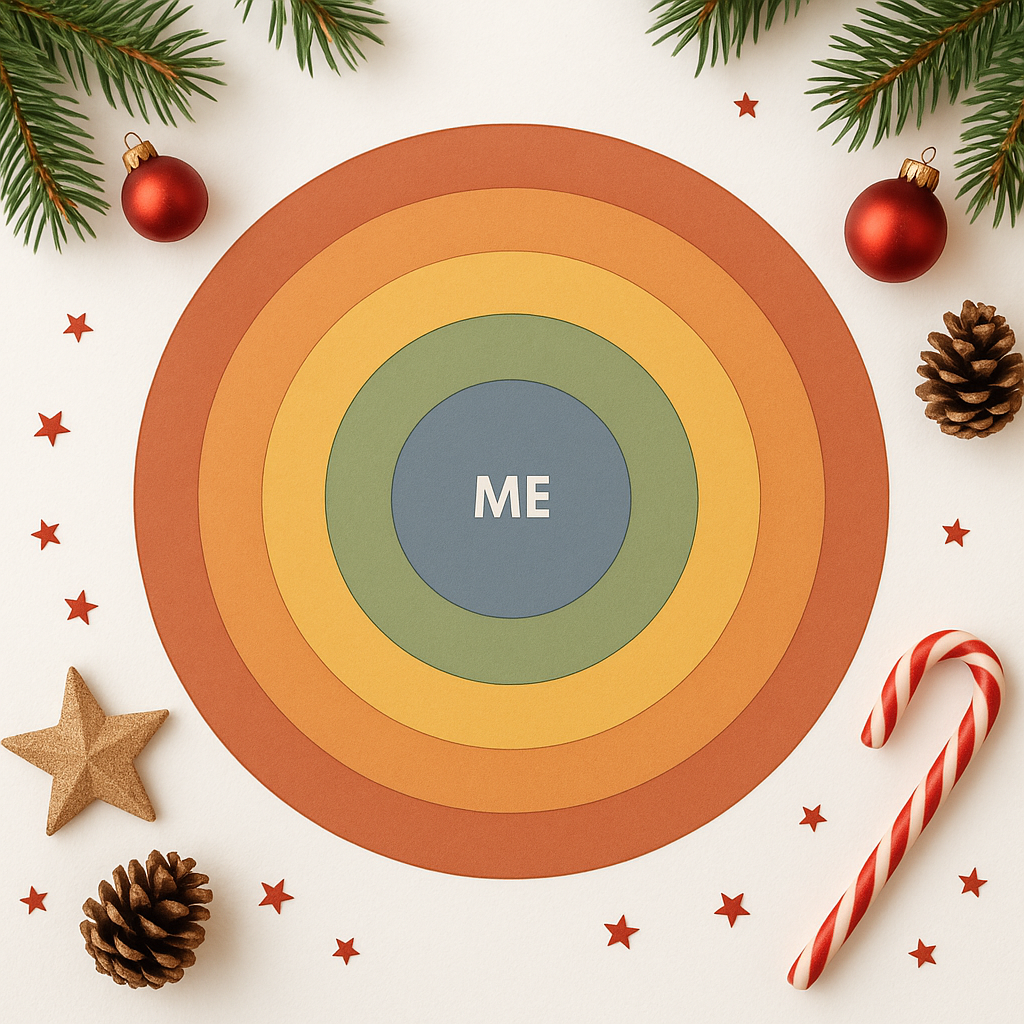
Loneliness and Connection at Christmas: Using the Circle of Closeness
Christmas can magnify both joy and loneliness. Many Australians feel the gap between connection we crave and what’s real. The Circle of Closeness helps us reflect on safety, boundaries, and where to invest our emotional energy. This season, focus on gentle connection, prioritising calm, authenticity, and self-care over obligation.

Personal Therapy: Creating An Approach That Fits You
Personalised therapy recognises that one size never fits all. Every person has a their own unique experiences, identities, and needs, so therapy must adapt. It needs to respect your pace, culture, and goals to be effective. Using evidence-based approaches like strategies should be collaborative, flexible, and trauma-informed designed to fit you, not expecting you to bend the other way around.

The Psychology of Giving: Finding Meaning Beyond Gifts
Generosity supports wellbeing when it’s chosen freely and aligns with our values. Research shows mindful giving and gratitude can strengthen connection and reduce stress, but over-giving from guilt or pressure can cause fatigue. True generosity includes boundaries, self-care, and respect for cultural and personal differences.

Building, Balancing, and Ending Relationships with Care
Relationships can feel like a dance, sometimes flowing, sometimes out of step. Through Dialectical Behaviour Therapy (DBT), we can learn the art of balance: communicating our needs clearly, setting respectful boundaries, and nurturing genuine connection. With mindfulness, validation, and compassion, we can stay kind without losing ourselves, finding rhythm in both closeness and space.

What Is the Cost? Aligning Your Values and Decisions
Sometimes we “win”… but at what cost? Every choice we make spends our time, energy, money or spoons. Before fighting a battle, pause and ask yourself "What value am I protecting, and what is this costing me?" By making a choice that is consciously line with our values (fairness, peace, connection, rest) can helps us spend our limited resources wisely and improve our wellbeing.

Schemas - Understanding Emotional Patterns
Schemas are deep patterns of thinking, feeling, and behaving that shape how we see ourselves and relate to others. They form in our past, based on how our emotional needs were met, or unmet. When needs are met, we build healthy schemas; trust, confidence, self-worth. When unmet, maladaptive schemas form, but with awareness and support, these patterns can be understood and changed.

Memory Isn’t a Recording
Memory isn’t a recording, it’s a reconstruction shaped by our feelings, context and safety. Fuzzy details don’t cancel real pain or growth. Strategies to process focus on the meaning and impact, not courtroom proof. Our responses and memories will also change with trauma and stress. Our goal is to focus on the meaning, patterns and recognising the impact on our relationships and beliefs.

Literal vs Implied Language
Discover the difference between literal and implied language, including “shadow sentences,” and learn how these communication styles shape your relationships, work, and daily life. Gain practical, evidence-based strategies to reduce misunderstandings, build confidence, and navigate your conversations with greater clarity and choice.

Too Many Choices: Why More Isn’t Always Better
Ever freeze in the cereal aisle, swipe endlessly on Netflix, or overthink dating apps? That’s "The Paradox of Choice", when we can experience choice overload. When too many options can leave us drained, anxious, and less satisfied. From careers to relationships, more choice isn’t always freedom. The fix? Anchor in values, limit options, embrace “good enough,” and choose clarity over perfection.

Why Is My Brain So Busy at 3AM?
It’s 3 AM and your mind won’t switch off, your thoughts race about work, relationships, or worries you can’t name. This “3 AM brain” is a common response to stress, trauma, or neurodivergence, not a personal flaw. Our nervous system is trying to protect us. If we can gain awareness and apply self-regulation strategies then we can work out how to calm our minds and reclaim a restful sleep.

Finding Your Wise Mind
The concept of Wise Mind in Dialectical Behaviour Therapy (DBT) teaches us how to bring together both feelings and logic in a balanced way. Rather than being swept away by Emotion Mind or feeling detached in Rational Mind, Wise Mind offers practical strategies to help us regulate emotions, build self-awareness, and make choices guided by our values.

Handle Halloween Without Losing Your Head
Halloween (even in Australia) can be fun but also overwhelming. Between costumes, candy, and constant door knocks, our nervous system can feel like a haunted house. If you struggle with interoception, conflict, or saying “no” without guilt it can be a particularly tricky time. Developing tools for emotional regulation, boundaries, and self-care can help us get through this spooky season.

What is Validation?
Validation is the skill of recognising and acknowledging the emotions of others, without necessarily agreeing with them. Work out what validation is (and isn’t), why it matters for our communication and relationships, and how to practise it with yourself and others. Learn practical strategies, and everyday examples to create calmer, more connected conversations with people in your life.

Why Rest Feels Hard
Rest can feel harder than work, especially on long weekends. Guilt, burnout, and beliefs linking our self-worth to our productivity often get in the way. Neuroscience has shown rest restores creativity, memory, and emotional balance. If we can apply self-compassion and simple tools like micro-breaks or a personalised rest menu, we can reclaim rest as a human need, rather than a luxury.
Disclaimer
The information on this website is provided for general educational purposes only. It is not intended as, and should not be taken to be, personalised psychological advice, diagnosis, or treatment.
If you are experiencing psychological distress or mental health concerns, please seek professional support from a registered psychologist, your general practitioner, or another qualified health professional.
If you are in crisis or require immediate assistance, please call 000 in an emergency or contact Lifeline on 13 11 14.