
The Psychology of Giving: Finding Meaning Beyond Gifts
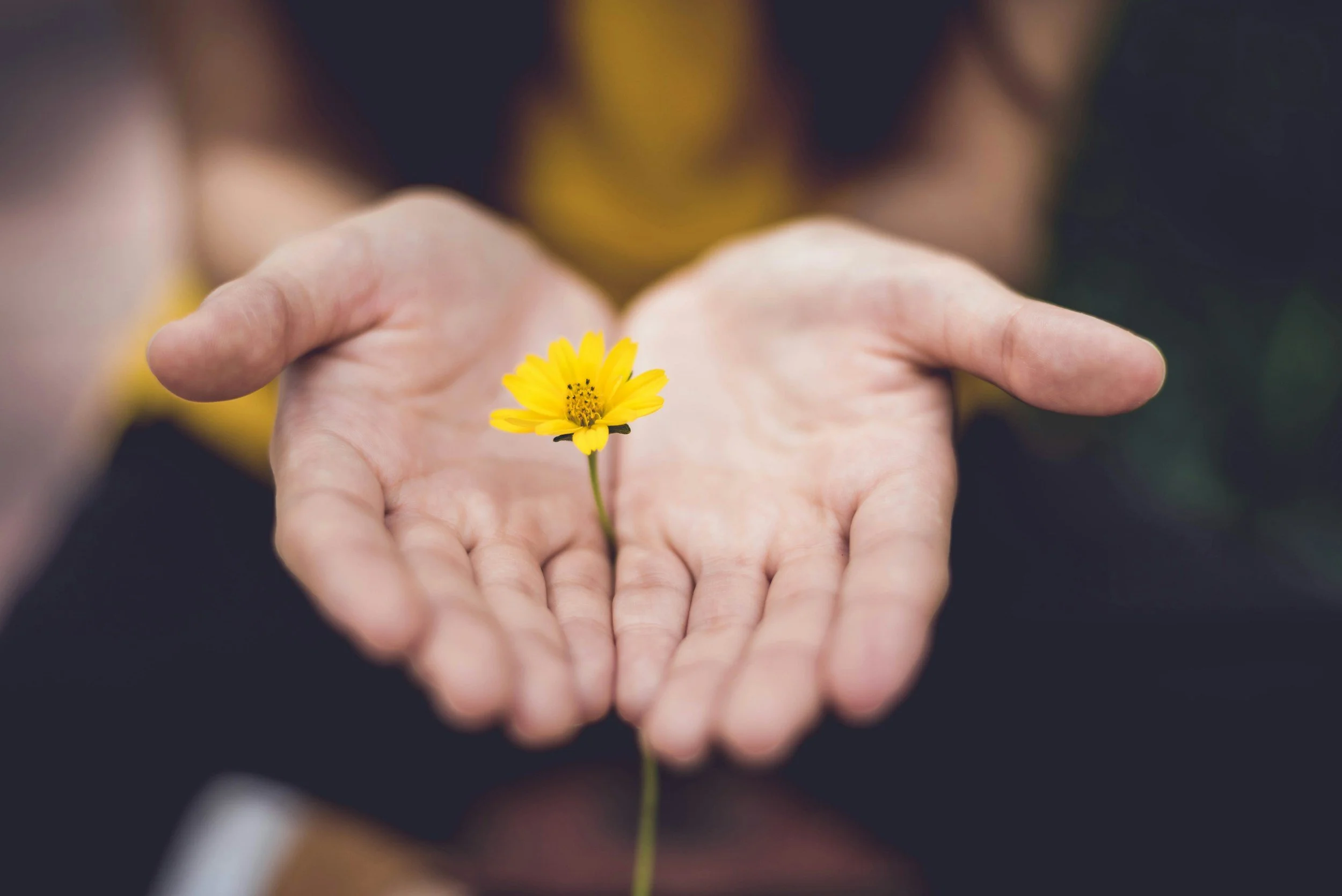
Most of us know that warm feeling after doing something kind, checking on a friend, donating to a cause, or simply showing up for someone. Sometimes we call this the helper’s high, but the psychology of giving goes deeper than a quick mood boost. It’s about how generosity, gratitude, and mindful connection can support our sense of belonging and purpose, especially during uncertain times.
Why Giving Matters (and Why It’s More Than “Being Good”)
Research in positive psychology and social neuroscience has found prosocial behaviour like voluntary acts that benefit others, can help our wellbeing. Benefits include increased life satisfaction, stronger relationships, and decreased stress. However, it isn’t related to a moral duty to “be good,” it’s about acting in ways that align with our personal values and capacity. If the act of generosity is voluntary and authentic, it reinforces a sense of autonomy and connection, but if it feels forced or comes from a sense of obligation, then the benefits aren’t as clear cut.
Research in positive psychology and social neuroscience found prosocial behaviour, like voluntary acts that benefit others, can enhance our wellbeing. Studies suggest these behaviours are linked with higher life satisfaction, stronger relationships, and lower stress levels. Importantly, this isn’t about a moral duty to “be good.” The benefits of generosity come when actions are freely chosen and in line with our personal values and capacity. When giving feels authentic, it strengthens our sense of autonomy and connection.
The Science Behind the Warm Glow
Recent neuroscience studies show that acts of generosity can activate brain regions linked with pleasure, empathy, and connection, these are the same systems that strengthen emotional bonds and support social wellbeing. However, not all giving feels good. When generosity is driven by guilt, fear, or a sense of obligation, these positive effects tend to fade and may even contribute to fatigue or resentment. In such cases, the brain’s stress systems can become more active than its reward circuits.
We can distinguish between two types of giving:
Giving — voluntary, values-aligned acts that feel meaningful and energising.
Giving in — acts that come from pressure, duty, or people-pleasing, which can leave us feeling depleted.
When Giving Helps, and When It Hurts
Giving can nurture or drain us depending on fit (values alignment) and capacity (emotional resources). Healthy giving happens when acts are chosen, safe, and sustainable, but it can become harmful when:
We give to avoid guilt or rejection.
We ignore our own needs or limits.
We give beyond our emotional or sensory capacity.
Neurodivergent people may experience “invisible giving”, masking, managing social energy, or doing extra emotional labour. These are genuine forms of generosity and deserve recognition.
There’s No One Way to Give: Understanding Diverse Experiences of Generosity
Generosity is shaped by our history, neurotype, and culture. For people with trauma, giving or receiving can feel complicated when safety once depended on pleasing others, leading to patterns of over-giving or self-sacrifice. Neurodivergent individuals, such as those with autism or ADHD, may express care through practical actions or information-sharing rather than overt emotion, and unexpected gifts or social surprises can sometimes cause stress or sensory overload. Cultural perspectives also matter, for many Aboriginal and Torres Strait Islander communities, generosity is grounded in reciprocity, kinship, and care for Country, reminding us that giving is relational, not individual. Recognising these differences helps us honour diverse expressions of generosity and understand that true giving includes acting from choice, respect, and authenticity rather than focusing on a single expectation or obligation.
Gratitude Without Pressure
Gratitude isn’t about forced positivity or ignoring pain, it’s about recognising small, genuine moments of connection. Examples of mindful gratitude prompts include:
“What helped me feel supported today?”
“Who or what do I want to thank, quietly, without pressure?”
“How did I support myself today?”
Authentic gratitude strengthens our mental health by balancing awareness between threat and safety.
Mindful Giving, Doing Good Without Burning Out
Mindfulness helps us notice why we give before we commit to saying yes. Try a brief self-check:
Do I want to give, or feel I have to?
Is this sustainable for me today?
Will I feel resentful or content afterwards?
Does this gift reflect my values or their expectations?
Taking a moment of pause supports your own sense of autonomy and compassion.
Finding Meaning Beyond Gifts
Meaningful giving isn’t about the size or cost of the gift, it’s about the intention. Examples of values-aligned acts:
Sending a brief note of appreciation.
Offering knowledge or creative input.
Caring for Country or community.
Saying no when you’re at capacity.
These micro-acts affirm that generosity can include rest, boundaries, and self-respect.
If You Recognise Yourself in This
If giving or receiving feels complicated, it’s a common pattern, especially for those of us who experience trauma or burnout. You’re not alone. You don’t need to fix everything first; seeking support is an act of generosity toward yourself.
