

Mindful Relfections:
Insights from Emma T psychology
Welcome to Mindful Reflections, this is a space created by Emma Tattersall to share helpful information and tools to support thoughtful exploration, self-understanding, and growth.
Here, you’ll find relatable insights, practical tips, and reflective guides informed by current evidence-based research. Each piece is written with a trauma-informed and neurodivergent-affirming lens, offering a gentle path into topics like emotional regulation, relationships, neurodivergence, resilience, and everyday wellbeing. Whether you’re beginning your journey or want to gain greater depth in your understand about mental health, these resources are here to help you at your own pace.

The McNamara Fallacy: When What Matters Can't Be Measured
The McNamara Fallacy shows how focusing only on measurable data can miss what truly matters. In relationships and therapy, numbers (like scores or conflict frequency) don’t capture deeper experiences that apply and make a difference in our lives; like safety, connection, or growth. Real progress is often subtle and unmeasurable, our plan is to use metrics as a guide rather than concrete truth.
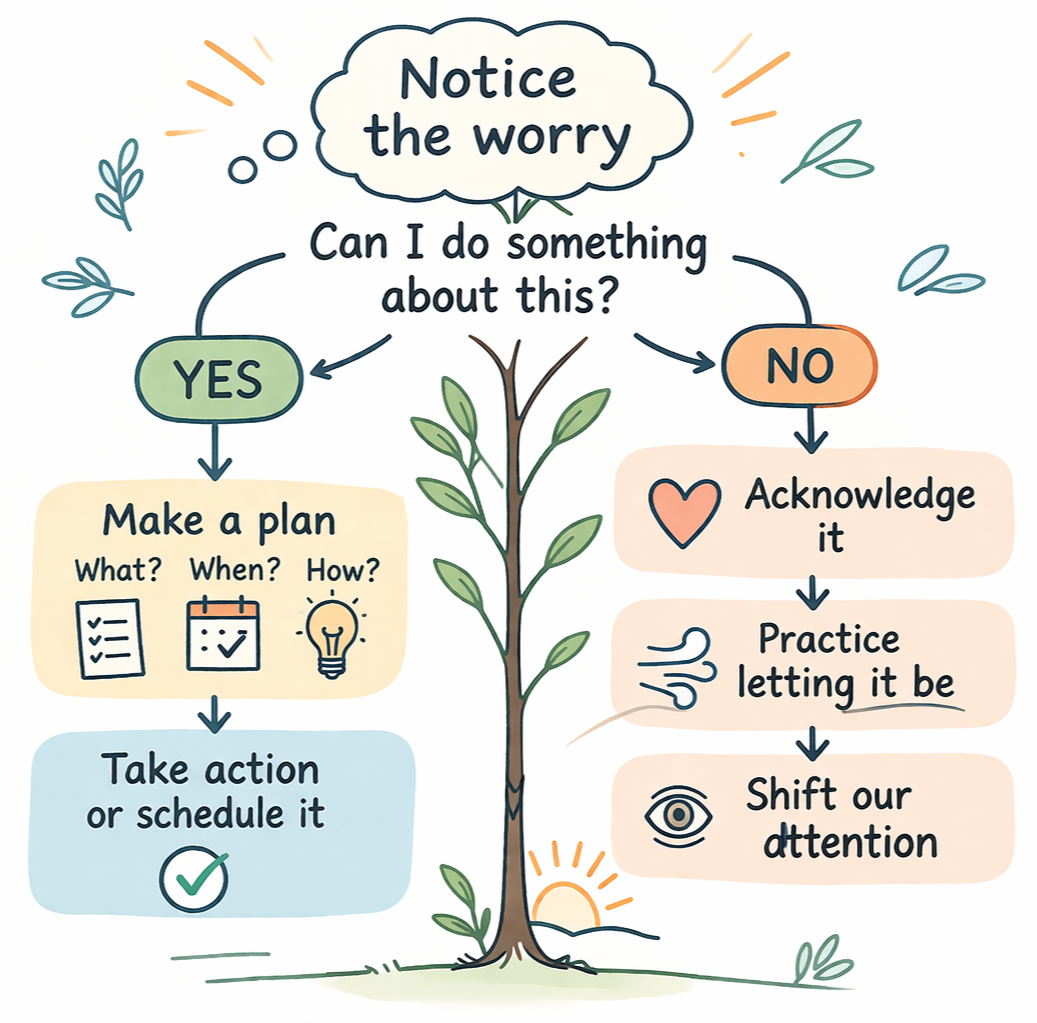
Worry Time: Training Our Brain to Stop Holding Meetings All Day
Worry time is a structured, evidence-based technique that helps manage anxiety by scheduling a daily period to engage with worries, rather than letting them dominate the day. It works by postponing worries, using problem-solving for controllable issues, and practising acceptance for uncertainty. It's best applied alongside other techniques rather than a standalone solution.

You’re Not “Doing Therapy Wrong”: Understanding Self-Blame in Therapy
People often worry they’re “doing therapy wrong,” especially when in unfamiliar, evaluative environments. However, therapy is a collaborative process, not a performance. Moments of confusion, silence, or difficulty should be seen as meaningful signals rather than failures. Self-blame and shame can arise in therapy, but they often reflect past experiences, not actual mistakes and can be explored.

Chocolate, Cravings & the Brain: What Easter Teaches Us About Emotional Eating
Emotional eating isn’t about willpower but a coping strategy to manage overwhelming emotions. Foods like chocolate provide short-term relief by activating reward systems, reinforcing the habit. Understanding triggers, emotions, and behaviour cycles helps reduce shame and build healthier responses through awareness, pauses, and alternative coping tools.

A Relationship Roadmap: Keeping Your Relationship on Track
Relationships can be seen like a car needing regular maintenance. Positive interactions act as fuel, building trust and connection and helping it move forward, while negative moments drain the tank. Regular check-ins, repairs, and noticing warning signs keep things running smoothly. Strong relationships rely on consistent care, understanding differences, and adjusting together over time.

When Care Starts to Feel Like Control
Care and control in relationships can be difficult to distinguish because both can look like concern or closeness. The difference often appears over time, the key is in recognising the affect on our autonomy, boundaries, and self-trust. Coercive control involves repeated behaviours that reduce freedom and increase self-doubt. Noticing patterns and their impact can help bring clarity.

Dialectical Behaviour Therapy (DBT): A Map for Understanding Intense Emotions
Dialectical Behaviour Therapy (DBT) is an evidence-based approach for people who experience intense emotions, impulsivity, or conflict. It blends mindfulness, behavioural science, and acceptance to build skills in emotion regulation, distress tolerance, interpersonal effectiveness, and mindfulness. DBT helps people understand emotional patterns and work toward "building a life worth living".
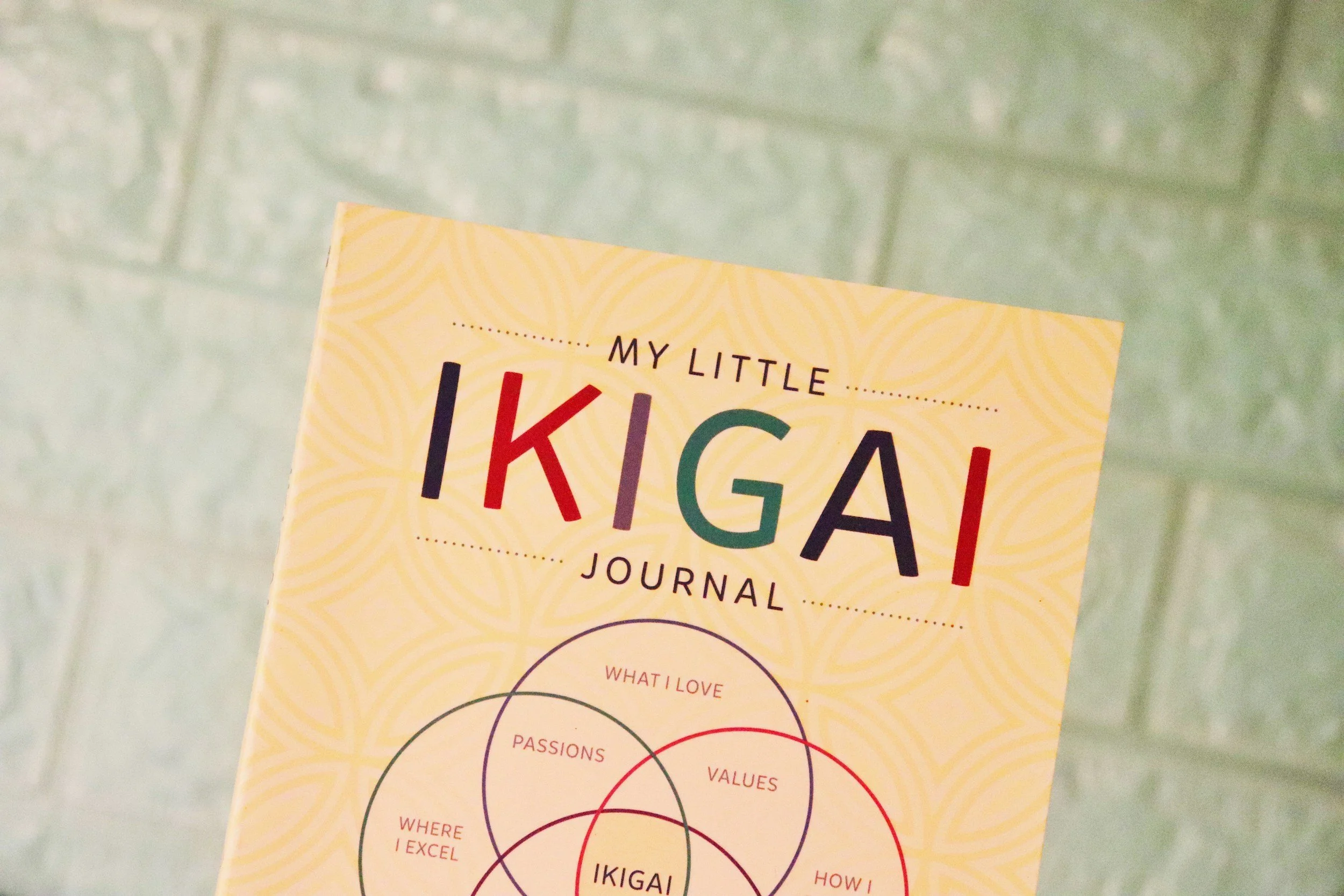
Ikigai: A Japanese Idea About Understanding Purpose and Meaning
The Japanese concept of ikigai describes a sense of purpose or reason for being. Rather than a single life mission, meaning often develops through everyday experiences, relationships, personal values, and activities that feel worthwhile. Our sense of direction can change over time as life circumstances shift, with purpose emerging gradually through engagement, connection, and reflection.

When Your Mind Hands You “Jangly Keys”
The “jangly keys” effect describes how our minds shift focus from deep, uncertain emotions to manageable tasks or worries, like cleaning, overthinking, or replaying a conversation, to regain control and soothe distress. These concrete distractions offer short-term relief and stability but can delay deeper emotional processing if overused.

Accountability vs “I’m Sorry”: What Makes Repair Feel Real
Reflexive “sorry” often smooths tension but doesn’t repair trust. Real repair needs accountability: clearly naming what happened, its impact, and what changes next. Apology speaks to feelings; accountability restores predictability. When actions are specified, relationships regain footing, turning mistakes from shame into usable information for moving forward.
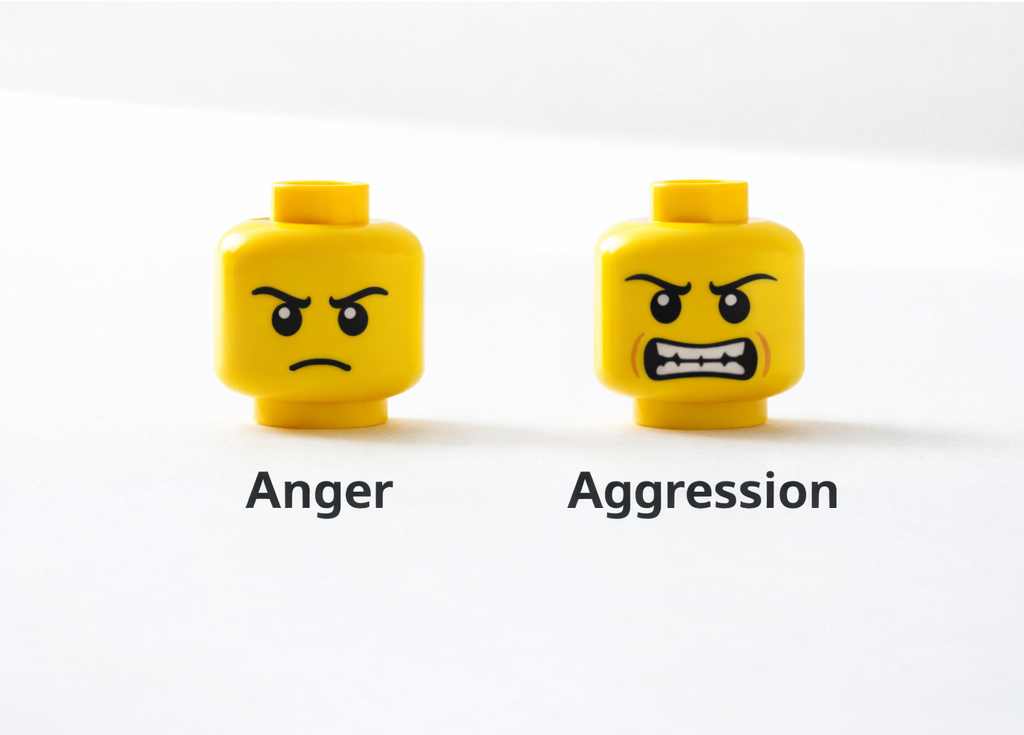
Anger Is a Feeling. Aggression Is a Behaviour.
Anger is a natural emotion signaling that something matters, while aggression is the behavior that follows. Understanding this difference helps you validate your feelings without causing harm. By pausing between feeling and action, you can transform anger into thoughtful, values-based responses that build connection and positive change.
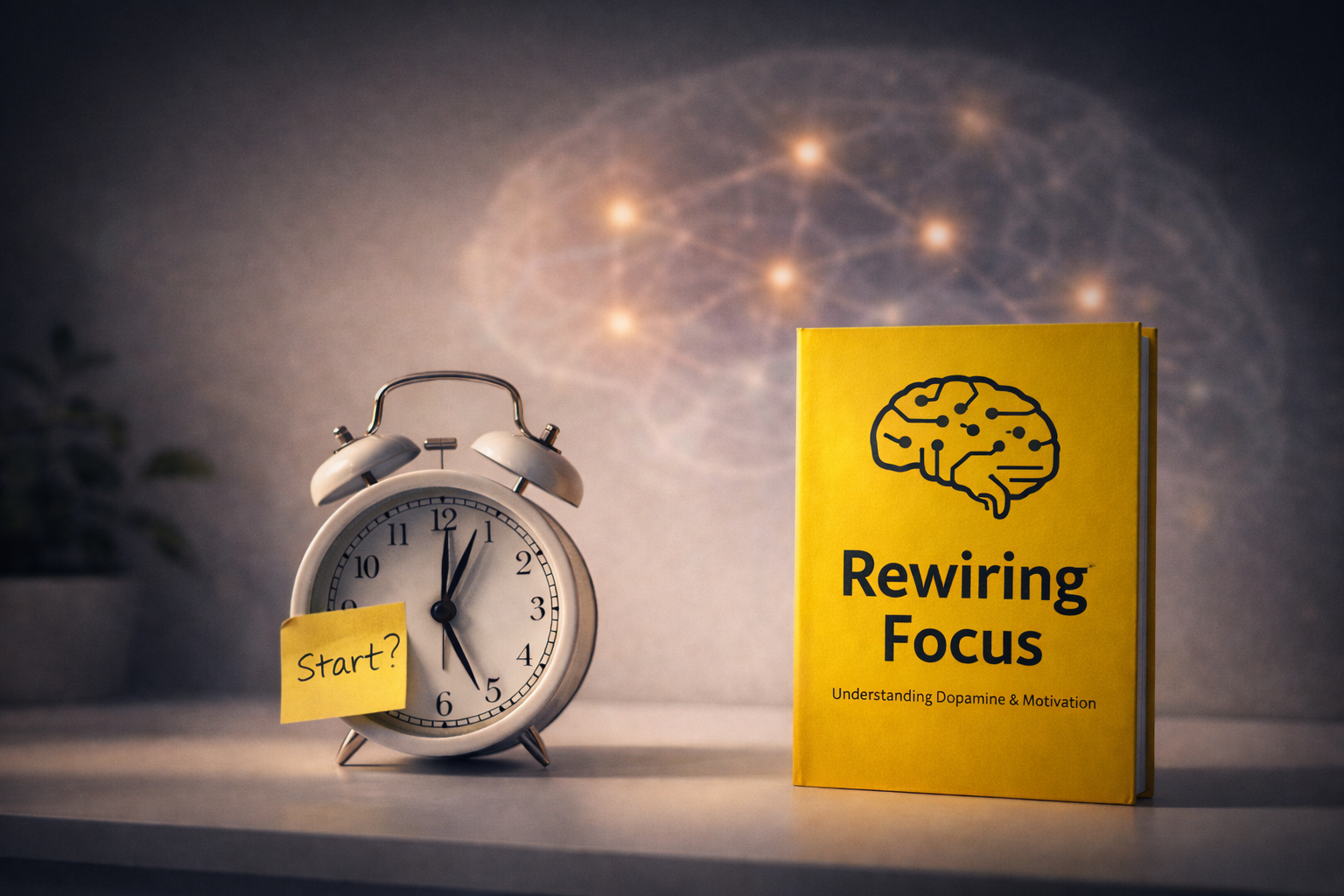
Dopamine, Motivation, and ADHD: Understanding Drive, Focus, and Effort
People with ADHD often experience uneven motivation, some tasks feel effortless, while important ones feel hard to start. This isn’t about willpower or care, but how dopamine influences effort, timing, and reward. Understanding dopamine helps reframe motivation struggles without blame and supports more compassionate, context-aware self-understanding.

Feeling Better vs Living Better: Two Maps for Wellbeing
Wellbeing has two maps: feeling better (hedonic) and living better (eudaimonic). Feeling better offers comfort, calm, and recovery, essential after stress or trauma. Living better brings meaning, purpose, and growth, even through discomfort. Both are valid paths: relief restores safety; direction fosters fulfillment. True wellbeing balances both, with compassion and flexibility.

When Resolutions Slip: Not the End, Just a Turn in the Path
When resolutions slip, it’s not failure, it’s information. Lapses often reflect capacity, not willpower. Change moves in loops, not straight lines. By noticing what shifted, softening self-criticism, and adjusting goals to fit current needs, we can reorient without restarting. Each pause offers insight, not setback, a chance to move forward toward values with self-compassion and flexibility.

Understanding Relationship Patterns: Moving Beyond Labels Toward Meaning
Relationships shape our sense of safety, identity, and connection. For many, especially those with trauma or heightened sensitivity, closeness can feel both comforting and confusing. Understanding how our bodies and emotions respond to connection can help us reveal our patterns and our past. Awareness isn’t about labeling or fixing, but finding meaning, clarity, and self-trust over time.

When Valentine’s Day Feels Complicated: A Map for Intimacy, Desire & Connection
Many people find Valentine’s Day or romantic holidays bring mixed feelings about closeness and affection. If connection feels pressured or distant, it doesn’t mean something is wrong, it may be your body protecting itself. Desire, safety, and intimacy shift with stress, history, and context. Move at your own pace, honour difference, and choose connection that feels grounded and true to you.

Beyond Roses and Red Hearts: Navigating Valentine’s Day in Non-Traditional Relationships
Valentine’s Day can feel exclusionary for those whose connections don’t fit traditional norms. This narrow version can leave those in queer-platonic, polyamorous, solo, or chosen-family relationships feeling unseen. True belonging comes from recognition, respect, and care, not conformity. Celebrating connection in all its diverse forms honors the many ways people love and support one another.

Getting to Know Your Inner Landscape: Exploring 'Parts Work' in IFS Therapy
Internal Family Systems (IFS) Therapy views the mind as a system of “parts”, like inner critics, protectors, or exiles. They are guided by a core Self marked by calm, clarity, and compassion. Rather than silencing parts, IFS invites curiosity about their protective roles. It’s an integrative, emerging approach that fosters understanding, balance, and self-connection in emotional healing.

Time Blindness: Understanding How Time Can Slip, Stretch, or Disappear
Time blindness is the difficulty of sensing or managing time, where hours vanish, tasks stretch, or appointments arrive too soon. Common among neurodivergent people or those under stress, it stems from differences in attention, emotion, and executive function. Rather than laziness, it reflects how our brains perceive time. External cues, like light, music, or visual timers, help make time visible, while transition buffers and tools like “Now vs. Next” boards support smoother task shifts. By tuning awareness and externalizing time, we can work with time’s rhythm instead of fighting it.

Finding Clarity in Conversations: Seeing What Is Underneath The Conflict
Conversations can tangle, especially if we have a history that includes challenges with trauma or neurodivergence. CLARITY offers a framework to support connection: Context, Literal language, Assume intent/complexity, Reflect, Invitations, Time, Yes/No choices. It helps us notice what’s beneath words (needs and feelings) to try small, paced adjustments at home, work, friendships, and parenting.
Disclaimer
The information on this website is provided for general educational purposes only. It is not intended as, and should not be taken to be, personalised psychological advice, diagnosis, or treatment.
If you are experiencing psychological distress or mental health concerns, please seek professional support from a registered psychologist, your general practitioner, or another qualified health professional.
If you are in crisis or require immediate assistance, please call 000 in an emergency or contact Lifeline on 13 11 14.