
The McNamara Fallacy: When What Matters Can't Be Measured
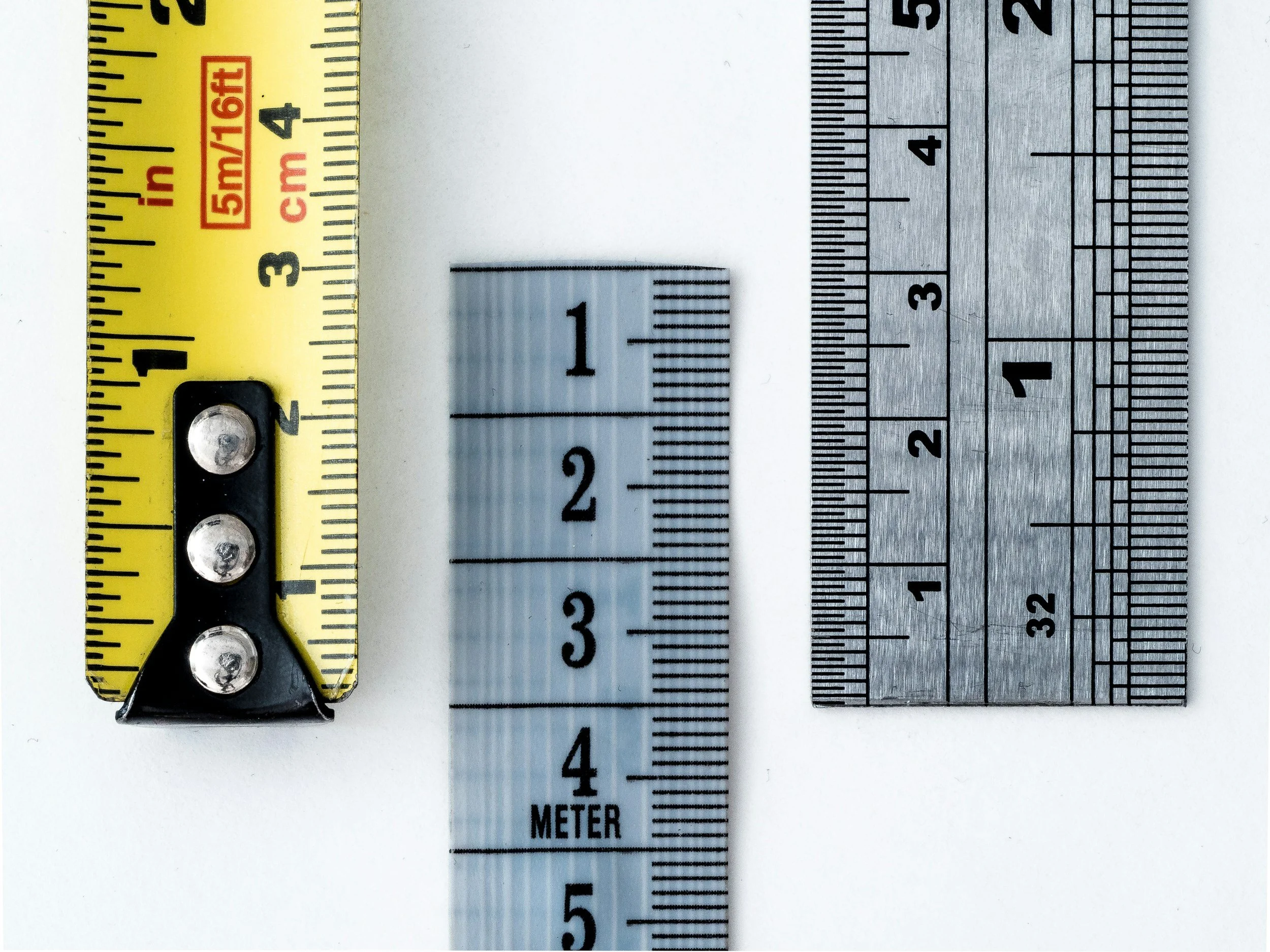
Have you ever argued less this week, texted more, and still gone to bed feeling completely alone? Or filled out a mental health questionnaire, ticked the boxes as honestly as you could, and thought:
"This doesn't come close to capturing what's actually going on for me"?
If so, you've quietly bumped into one of the more uncomfortable traps in modern psychology, and you're in very good company.
A Brief History Lesson
Robert McNamara was the U.S. Secretary of Defence during the Vietnam War. Analytically brilliant, data-obsessed, and deeply convinced that good numbers meant good outcomes. He ran the war on body counts; if the tally was climbing, the logic went, things must be improving. In reality, it was a catastrophe.
Body counts didn’t measure civilian trust, political legitimacy, or the lived reality of people on the ground. McNamara’s numbers looked functional, but the reality wasn’t.
This pattern, making decisions based only on what can be counted, while treating everything harder to measure as though it doesn't quite count, was later named the McNamara Fallacy. Essentially:
"If we can't measure the things we care about, we end up caring about the things we can measure."
Your Relationship Is Not a Spreadsheet
Most of us will do this, often without realising it. We track:
How often we argued this week
Who initiated contact, and how quickly the other person replied
Number of date nights (present or conspicuously absent)
Who's been putting in more effort
These things aren't meaningless, but they're measurable because they sit on the surface. Research has consistently found that relationship health isn't based on conflict frequency or positive-interaction tallies. It's predicted by deeper issues like emotional responsiveness, the capacity to repair after conflict, the feeling of safety and capacity to be vulnerable. None of that fits in a spreadsheet.
A relationship can look completely fine on paper, fewer arguments, regular contact, shared activities, and still feel hollow and distant. That's what happens when the metrics measure one layer of the story while missing what actually matters. It's like rating a film on runtime and production budget, it’s technically accurate but completely misses the plot.
In Therapy
Often, we use tools like the DASS-21, K10, or PHQ-9 and standard in psychology. They exist for good reasons, tracking change over time, helping communication and maintaining accountability in care. They’re useful, but not the whole story. We might notice moments like:
A worse score, not because things are worse, but because you now have an increased awareness of yourself
Your score barely moves, but something significant has shifted inside or in your behaviour
The hardest thing that happened this week simply wasn't asked about
This is what happens when a complex, layered experience meets a simplified instrument.
What Progress Actually Looks Like (That No Form Will Capture)
Some of the most clinically meaningful shifts in our lives are quiet. They don't announce themselves. They occasionally don't show up on a rating scale. Progress in therapy might look like:
Saying "no" when you've spent years saying yes and quietly resenting it
Noticing, for the first time, a relational pattern you've been living inside for fifteen years
Pausing, just briefly, before reacting, where previously there was no pause at all
Feeling something, rather than immediately shutting it down
Realising, with a kind of slow-motion shock: "That wasn't actually my fault"
None of these will necessarily be able to be assessed. Reducing progress towards change to only what a scale captures risks missing the very thing that's actually happening.
When the Measure Becomes the Mission
There's a companion idea worth knowing about, “Goodhart's Law”, when a measure becomes a target, it ceases to be a good measure. This can mean:
Trying to "improve the score" rather than understand what's driving our emotions
Performing progress rather than experiencing it
Avoiding slower, messier, deeper work because it doesn't produce visible movement on a graph
This is a predictable response to systems that make measurement central.
For Those with Trauma Histories or Neurodivergent Experiences
For some of us, the limits of standard measurement tools aren't just inconvenient, they can actively compound distress. Trauma frequently manifests in subtle, somatic ways that resist tidy questionnaire summary. "How often in the past week did you feel nervous or anxious?" is a difficult question when your trauma response is structural numbness rather than visible anxiety.
For people with neurodivergent profiles, the assumptions embedded in "standard" measures of connection, communication, and emotional regulation may simply not match how those experiences actually occur. While for people with histories of chronic evaluation or criticism, being measured can feel less like support and more like surveillance.
Ways to Hold Measurement in Proportion
The answer isn't to abandon measurement. Structure, tracking, and accountability genuinely matter. The goal is to hold measurement as one source of information, not the final word.
Use scores as a starting point, not a verdict
Rather than:
"My score didn't change, so nothing is working,"
try:
"What might this score be missing? What has shifted that isn't reflected here?"
A score can open a conversation, not close one.
Track what actually matters to you
Alongside formal measures, try noticing:
Did I feel more like myself at any point this week?
Was there a moment, even brief, where I felt genuinely safe or understood?
Did I respond to something differently than I might have six months ago?
In relationships, prioritise repair over scorekeeping
Rather than tracking who initiated contact or how often conflict occurred, try asking:
Can we repair after conflict, or do we just move past it?
Do I feel emotionally safe enough to come back to this person after difficulty?
Research consistently identifies repair capacity, not conflict frequency, as one of the strongest predictors of relationship health over time. You can disagree a lot and it be a sign of positive communication, while in another relationship, limited augments may be a sign you’re drowning.
Bring the mismatch into the room
If a measure feels off, that's useful information. You might say:
"This score doesn't reflect what's been most difficult this week,"
"Something is shifting, but I can't see it here."
Good relationships leave room for conversation.
The Bottom Line
You are not a score, symptom graph, argument frequency, or productivity metrics. These things may describe fragments of your life, but do not define it.
In therapy and in healthy relationships, there is room for both structure and meaning. A questionnaire might indicate that something feels intense. A conversation can help share why. Our own internal sense of what's shifting may appear long before any scale catches up.
A score can begin a conversation, it doesn't get the final word. If you've ever sat with a form and thought "this isn't quite it", that moment of noticing may be the beginning of a more honest and more useful conversation about what your experience really is, and what you genuinely need.
