
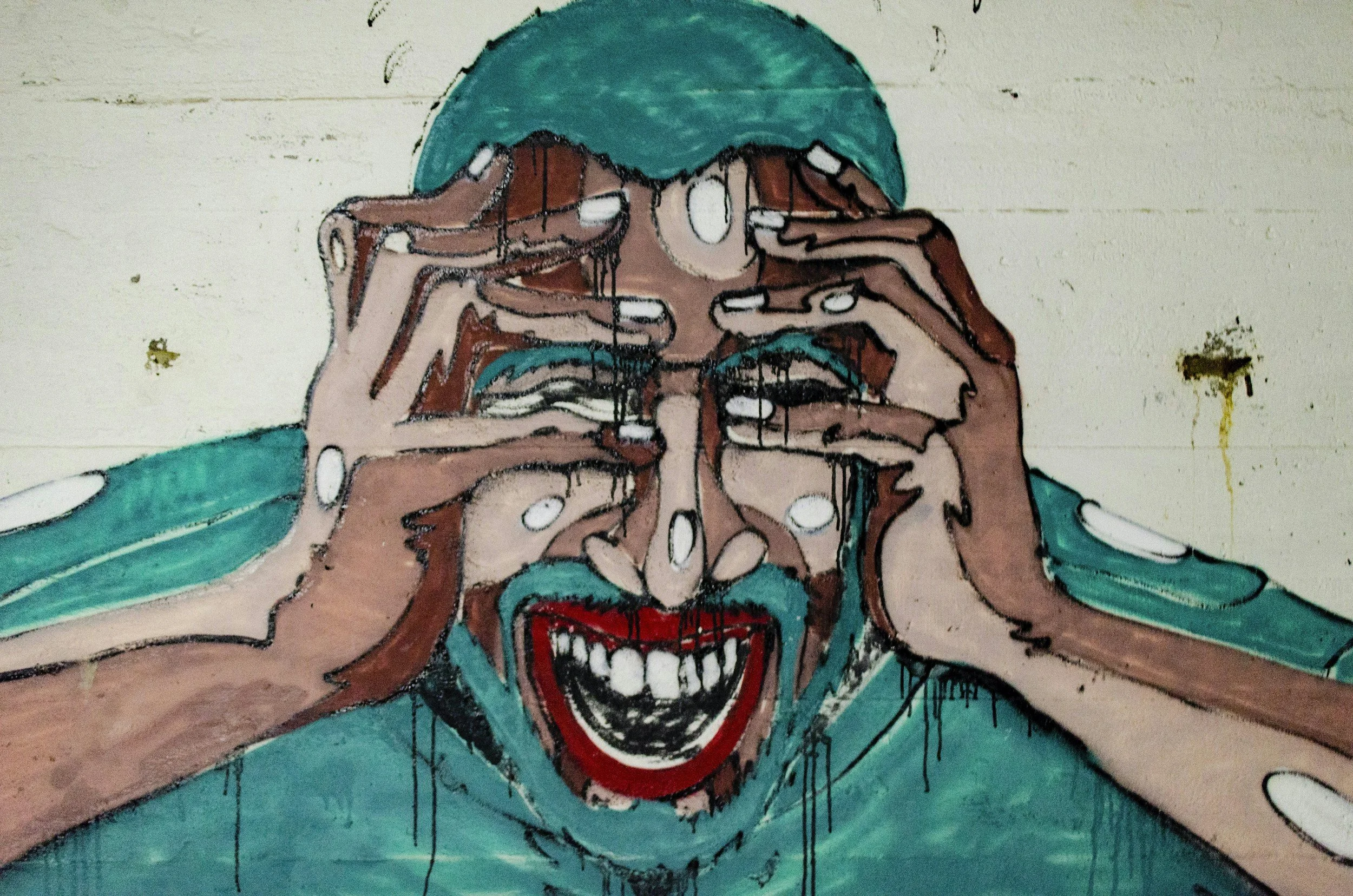
Have you ever had a day where you’re getting by… and then, the moment something feels important, like a message from our boss saying, “Can we have a quick chat?”, our body decides it’s time to panic?
Maybe you’re exhausted all day, only to become suspiciously wide awake the moment your head hits the pillow. Or you know that feeling when your brain has 47 tabs open, three are frozen, and somewhere in the background, music is playing but you can’t work out where it’s coming from.
Stress has a remarkable ability to show up everywhere; in our bodies, our thoughts, our behaviour, and unfortunately, sometimes in the tone we use when asking someone to put their shoes away.
We often think of stress as something happening in our heads, but stress is a whole-body experience. It influences how we think, feel, sleep, behave, and connect with other people. While a little stress can be useful, too much for too long can leave us feeling like a phone permanently stuck on 3% battery.
Our brain’s built-in security
Our brain is constantly evaluating what is happening around us. It draws on sensory information, memories, previous experiences and expectations to decide whether something may be important or threatening.
The amygdala is one part of a broader network involved in processing emotionally significant information, including potential danger. It doesn’t operate as a single panic button, but it can rapidly alert other brain regions when a situation appears concerning.
The hypothalamus helps coordinate our body’s response. It communicates with the autonomic nervous system and initiates the hormonal pathway known as the hypothalamic–pituitary–adrenal, or HPA, axis.
At the same time, the prefrontal cortex contributes to planning, reasoning, attention and behavioural regulation.
The hippocampus helps use memory and context to interpret what’s happening.
When stress is manageable, these systems can work together effectively. When stress becomes intense, attention may become narrowed towards possible problems, while flexible thinking and emotional regulation become harder. Our intelligence hasn’t disappeared; our brain is operating under different conditions.
That is why a person can have a thoughtful conversation in the morning and become unexpectedly defensive about the dishwasher at night.
What happens in our body?
When our brain interprets a situation as threatening, two related systems help prepare our body to respond.
The rapid response: adrenaline takes the wheel
The sympathetic nervous system activates quickly; adrenal glands release adrenaline and noradrenaline, which help prepare our body for immediate action.
We may notice:
A faster heartbeat
Quicker or shallower breathing
Muscle tension
Increased alertness
Sweating or feeling hot
A dry mouth
An unsettled stomach
Shaking or restlessness
These changes are useful if we need to avoid an approaching car, they’re less useful when the “threat” is a difficult email that we can safely answer tomorrow.
This rapid response is sometimes described as fight, flight or freeze. These are part of our automatic protective responses. People may also fawn, withdraw, become quiet or attempt to keep everyone else calm.
The slower response: cortisol joins the party
The HPA axis helps coordinate a slower, more sustained hormonal response. Here’s how it works:
The hypothalamus releases a signalling hormone called CRH (corticotropin-releasing hormone).
The pituitary gland responds by releasing ACTH (adrenocorticotropic hormone).
The adrenal glands receive this signal and release cortisol into the bloodstream.
Cortisol is often called the “stress hormone”, but that label misses the point. Think of cortisol as an emergency coordinator: incredibly useful when needed, but less helpful when every day starts to feel like a crisis. It helps regulate energy, metabolism, immune activity, and the sleep–wake cycle, and it supports the body’s ability to respond to challenges and then return to baseline.
Importantly, chronic stress doesn’t necessarily mean cortisol stays elevated. Instead, prolonged stress can alter normal cortisol patterns in different ways, depending on the person and their circumstances.
The goal isn’t to eliminate cortisol. It’s to support the body’s ability to respond to stress and recover afterwards.
Why stress makes you feel like a different person
When our brain is dealing with perceived danger, fewer mental resources may be available for other tasks. Stress can affect:
Concentration
Working memory
Learning
Planning
Flexible thinking
Decision-making
Emotional regulation
We may read the same email several times without taking it in, forget why we walked into a room or struggle to choose between two straightforward options.
Stress can also influence how we assess risk, uncertainty and reward, but it doesn’t necessarily make someone irrational. Effects vary depending on the situation, the person and the type of decision.
For non-urgent decisions, it can be helpful to write down the key options, identify the two or three most important considerations and revisit it after a break or a night’s sleep. Sometimes the most sensible decision is deciding not to decide yet.
What Happens When Stress Moves In and Makes Itself Comfortable?
Physical, emotional and behavioural effects
Stress can look different from person to person.
Physically, it may involve headaches, jaw clenching, tense shoulders, digestive discomfort, fatigue, changes in appetite, restlessness or disrupted sleep.
Emotionally, people may feel anxious, irritable, overwhelmed, low, unusually sensitive to criticism or unable to relax.
Cognitively, stress may involve overthinking, forgetfulness, racing thoughts, indecision or expecting the worst.
Behaviourally, people may procrastinate, withdraw, work excessively, scroll late into the night, drink more alcohol or avoid tasks that feel difficult.
Persistent symptoms can also have causes unrelated to stress. Do not assume that every physical or psychological change is simply our nervous system “overreacting”. Ongoing, severe or unusual symptoms deserve appropriate medical or psychological assessment.
Why Stress Can Turn Your Relationship Into a Battlefield
Stress rarely stays neatly inside one person. It can enter conversations, parenting, friendships and intimate relationships. When overwhelmed, we may interpret a neutral comment as criticism, become less patient or withdraw. One person may seek reassurance while another needs space. Without explanation, each response can accidentally intensify the other. Try to identify the feeling:
“I think I am overloaded, and I am finding it hard to listen properly. Can we take 20 minutes and come back to this?”
A pause is helpful when it is a temporary regulation strategy, not a way of avoiding the issue indefinitely, the important part is returning to the conversation.
Supportive relationships can also reduce the burden of stress. Often people do not need immediate solutions. They may need someone to listen, acknowledge that the situation is difficult and offer practical support, possibly including a cup of tea and no lecture about why they should feel grateful.
Can Chronic Stress Affect Your Long-Term Health?
In the short term, stress can increase alertness, energy and motivation. It may help we prepare for an exam, respond to danger or meet a deadline.
When stress is prolonged or recovery is limited, it can contribute to sleep problems, ongoing muscle tension, anxiety, low mood, exhaustion and difficulties with concentration. Research also links prolonged stress with broader physical health risks, although these relationships are complex and influenced by factors such as genetics, health conditions, behaviour, social circumstances and access to support.
Researchers sometimes use the term allostatic load to describe the cumulative physiological burden of repeated adaptation to stress. This doesn’t mean that a person has permanently damaged their brain or body. It does mean that regular recovery and wellbeing deserve attention.
Practical ways to turn down the volume
You don’t need to become a meditation expert or overhaul your life; small, consistent changes can make a meaningful difference. The most effective stress-management approach usually combines a few repeatable strategies that help settle your immediate stress response and reduce what’s keeping it going.
Park the worry, then schedule it
When stress spikes, write the thought in a quick “parking lot” note (e.g., “I need to sort the email”).
Tell your brain: “I’ll deal with this at 4:30 pm (or tomorrow at 10).”
When the time comes, choose one next action or move it to the following time-slot.
Use a “one-choice” reset (reduce decision load)
Pick one tiny decision you can make right now (e.g., “Send the first paragraph only”).
Remove the rest by setting a default: one task, one time limit (10 minutes), then reassess.
The goal is to stop stress from multiplying options into overwhelm.
Create a boundary script you can reuse
Draft one sentence you can say when demands swell, such as:
“I can do X by Y, or I can do Z later, what works best?”If you need to step back: “I’m not able to respond properly right now; I can get back to you at __.”
Change the environment, not just your mindset
Lower sensory intensity: dim lights, reduce noise (headphones), sit with back supported, or step outside for two minutes.
If your phone is part of the trigger, do a small environment swap (different room/angle) before trying to “be calm”.
Support recovery like it’s part of the plan
Add one “minimum viable recovery” habit daily: a consistent bedtime, regular meal timing, a brief walk, daylight exposure, or brief connection (a text, a check-in, a cuppa with someone).
Aim for consistency, not perfection, your nervous system likes patterns.
A Little Support Can Make a Big Difference
Everyone experiences stress, but ongoing distress doesn’t need to be your default operating system. Consider seeking support if you’re noticing it’s interfering with sleep, work, parenting, or everyday functioning; contributing to persistent anxiety, low mood, or emotional exhaustion; creating recurring conflict or withdrawal in relationships; leading to coping behaviours you feel concerned about; or simply becoming increasingly difficult to manage on your own.
Stress Isn't the Enemy. Staying Stuck in It Is the Problem.
A completely stress-free life isn’t realistic, and many stress reactions are protective, even if they don’t feel great. The goal is to increase opportunities for recovery by using practical strategies, adjusting demands where possible, and getting support when you need it. If your brain is running 37 tabs with mysterious background music, you don’t need to “fix your whole life”, you just need to close one tab and give yourself a lunch break.
