
Consent Isn't Just "Yes" or "No": It's Whether "No" Was Ever Really Safe
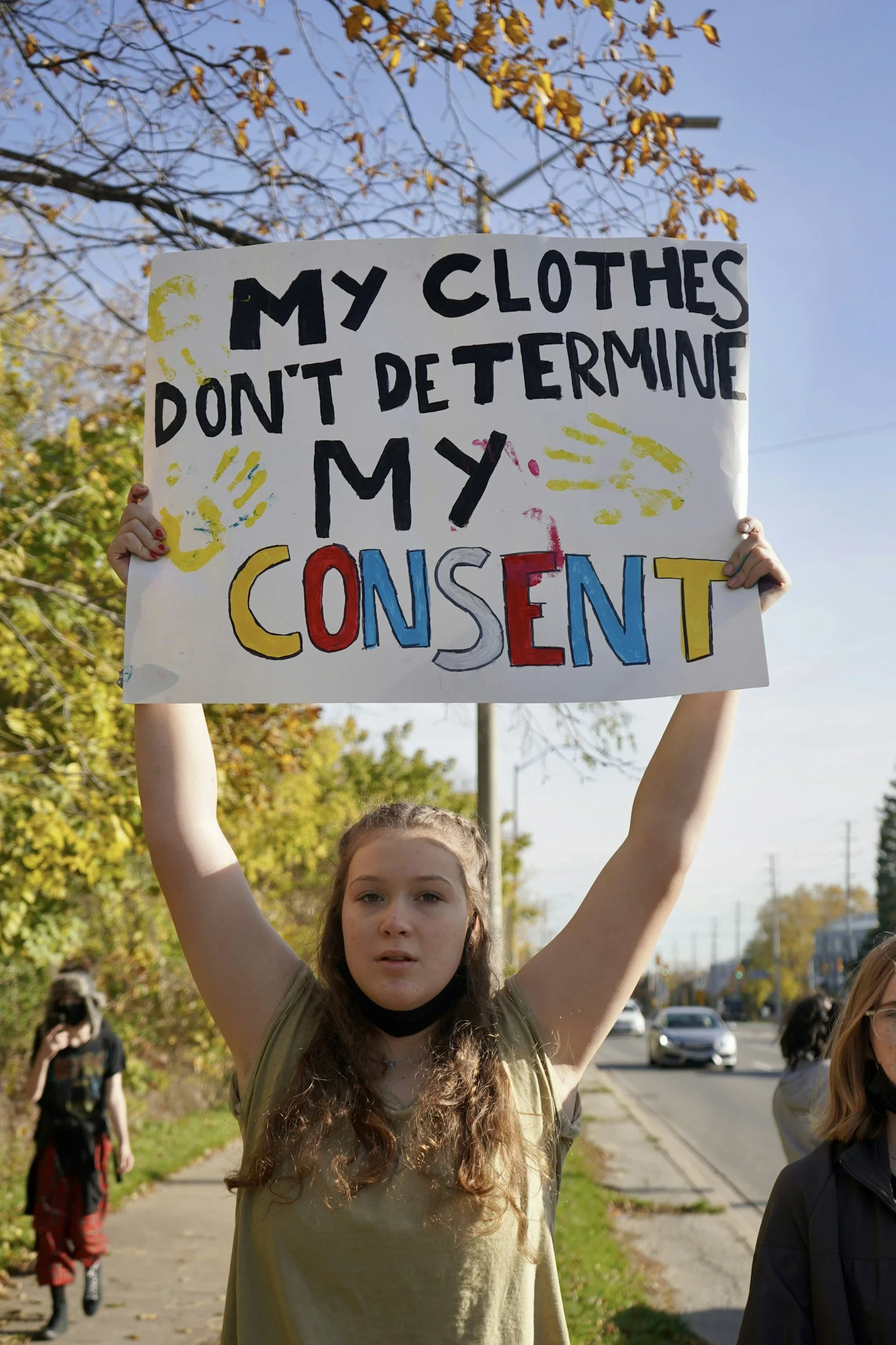
Have you ever agreed to something you didn't actually want, not because anyone forced you, but because saying no felt riskier than just going along with it? Maybe you said yes to avoid the silent treatment, or apologised for something that wasn't your fault because it was quicker than the argument that would've followed. Maybe "it's fine" has become your autopilot response, even when life very much isn't fine.
Most of us were taught that consent is simple: someone asks, you say yes or no, done, but real consent is less like a light switch and more like checking the weather before you leave the house. The weather can change, it depends on conditions, and yesterday's forecast doesn't guarantee today's. The real question isn't just "did they say yes?" It's "did they believe they could safely say no?"
The Tea Test
Imagine someone offers you a cup of tea. You say, "No thanks." They sigh dramatically, give you the cold shoulder for the rest of the day, and later tell your mutual friends you've become "so difficult lately." Next time they offer you tea, is your answer actually free? Your "yes" next time isn't really about tea, it's about avoiding the fallout.
There is a difference between an external agreement (what we say or do) and internal willingness (what we actually want). Research on consent communication shows these two things don't always match, many of us often comply outwardly while feeling anything from mild discomfort to genuine fear internally. A "yes" that's really a hostage negotiation isn't a yes (and it’s not consent) at all.
This Isn't Just About Sex
Consent shows up everywhere: hugs, lending money, sharing our location, posting a photo of someone, discussing a friend's private business, replying to work emails at 9pm, or simply spending a Saturday the way we want to. Consent isn't a legal form we sign once, it's closer to a favourite outfit we lent someone, agreeing they can borrow it on Tuesday doesn't mean they now own it forever.
When "Yes" Is Actually a Survival Strategy
Sometimes "yes" isn't a preference, it's protective gear. When our history includes boundaries being met with guilt-tripping, mockery, withdrawal, or being ignored until we cracked, our body has learned agreeing is safer than asserting. This is a sign our brain is prioritise safety over authenticity.
Research on relational dynamics backs this up; our fear of rejection or abandonment can increase our agreement to go along with things we don't want, particularly in relationships where emotional security already feels shaky.
Coercion Rarely Shouts
When people picture coercion, they picture threats. In real life, it's usually quieter, the sudden coldness after we decline, being told we're "too sensitive," someone asking the same thing five different ways until we cave, or being made responsible for managing someone else's disappointment.
None of these involve raised voices, or violence, but they can make "no" feel unsafe. If refusing reliably costs us a sense of connection, affection or peace, then "yes" stops being a choice and starts being risk management.
Your Nervous System Is Efficient, Not
People often ask themselves, "why didn't I just say no?" as though there's something wrong with them. When our brain senses danger, even relational, non-physical danger, it doesn't wait for a debate, it reaches for whatever's worked before. Most us know the term “fight and flight”, but it’s important to also recognise freeze (going blank, unable to speak) and fawn (smoothing things over, prioritising the other person's comfort to stay safe).
Think of a possum playing dead, or a chameleon going still against the bark, both are strategies refined over millions of years. We do a more socially sophisticated version, we smile while anxious, laugh nervously, over-apologise, agree instantly. From the outside it can look like willing participation, but internally, these behaviours are often motivated by our nervous system doing triage.
When Direct Doesn't Feel Optional
For many neurodivergent people, subtle social cues aren't a reliable currency, and years of masking discomfort to "fit in" can mean losing touch with our own preferences entirely. Imagine wearing shoes half a size too small, every day, for years. Eventually you stop consciously noticing the pain, but that doesn't mean the shoes fit. Overriding our own needs can become so routine it starts to feel normal, which is precisely why it's not.
This is why good consent doesn't rely on reading between the lines. It sounds like: "Would you like a hug or would you rather not?" or "You can change your mind anytime, no explanation needed." Being direct isn't awkward, it's respectful.
What Healthy Consent Actually Sounds Like
Not a dramatic conversation, just ordinary, everyday phrases:
"No worries if you're not up for it."
"Thanks for telling me."
"Want advice, or just someone to listen?"
"Checking in, still good with this?"
Notice the elements that are missing, fear, guilt, obligation, punishment. Healthy relationships don't force us to earn safety by agreeing. The message should be that someone’s care for us isn't conditional on our compliance.
Building Your Own Consent Radar
Understanding the theory is one thing, but using it in the middle of a real conversation is another. We don't need perfect boundaries or flawless communication to start, instead small, repeatable habits can make it much easier to recognise when a "yes" is genuine, and when it's driven by something else.
Notice Your Yellow Lights
Don't have to wait until you're overwhelmed to take your feelings seriously. Our body often notices discomfort before your mind catches up.
Maybe our jaw tightens, stomach drops, we hold our breath for a moment, or we feel that split second of resistance before saying, "Sure, that's fine."
Treat those moments as information, not something to ignore. Pause and ask yourself: What am I feeling right now?
You don't have to change your answer, just noticing the internal signals is a powerful first step.
Give Yourself Permission to Pause
Many unwanted "yeses" happen because we answer on autopilot before we've checked in with ourselves.
Instead of responding immediately, buy yourself some time.
"Let me think about it."
"Can I get back to you?"
"I need a moment before I answer."
A pause isn't rude, it's giving ourselves a chance to make a choice rather than a reflex.
If we feel pressured to repond immediately, that’s another signal.
Keep a Few Boundary Phrases Ready
It's much harder to find the right words when we're anxious. Having a few simple responses ready can make saying no feel far less daunting.
Try phrases like:
"That doesn't work for me."
"I'm not able to do that."
"I'd rather not, thanks."
"I need to think about it first."
Boundaries don't require lengthy explanations, or excuses, a respectful no is a complete answer on its own.
Watch Patterns, Not Promises
People often say they respect boundaries, but sometimes it helps to note if their behaviour matches their words.
After you've said no, ask yourself:
Do I feel accepted or punished?
Does the other person respect my answer?
Do they keep asking until I give in?
Do I feel relief, or do I dread setting boundaries with them?
Everyone gets it wrong occasionally, what matters is the pattern over time.
Try the FREE Check
If you're unsure whether your "yes" is really yours, run through this quick mental checklist:
F – Freely chosen: Am I choosing this, or trying to manage someone else's reaction?
R – Reversible: Could I change my mind without being punished?
E – Enthusiastic (or genuinely willing): Is there real willingness here, even if I'm not excited?
E – Equal: Does the other person have the same freedom to say no to me?
If several of these don't fit, it's worth asking yourself what's driving your agreement.
We can’t get this right every time, the goal isn't perfect boundaries, but learning our needs, preferences and that "no" deserve the same respect as "yes."
Boundaries Are a Garden Fence, Not a Wall
Many people worry boundaries make us selfish or "difficult." Often this sounds like "I don't want to disappoint them" or "I should just be more flexible," but a boundary isn't a wall keeping people out, it's the fence around a garden. It doesn't stop visitors; it just prevents them trampling the flowers. Without fences, resentment can grow underground. With safe fences and limits our relationships tend to become clearer and more sustainable.
If Saying No Feels Impossible Right Now
When refusing something fills us with panic or guilt it's sign our boundaries once carried a cost. Like most learned patterns, this can shift:
Decline something small, without over-explaining.
Ask for time before answering, rather than defaulting to yes.
Notice (just notice), when you're agreeing from fear rather than genuine willingness.
Practice a boundary somewhere low-stakes before attempting it somewhere harder.
Small reps build the muscle, we don't need to overhaul every relationship in a week, we just need one slightly braver "actually, no thanks" to prove to ourselves that the sky won't fall.
