
Collective Trauma and Community Healing: Why We Remember Together
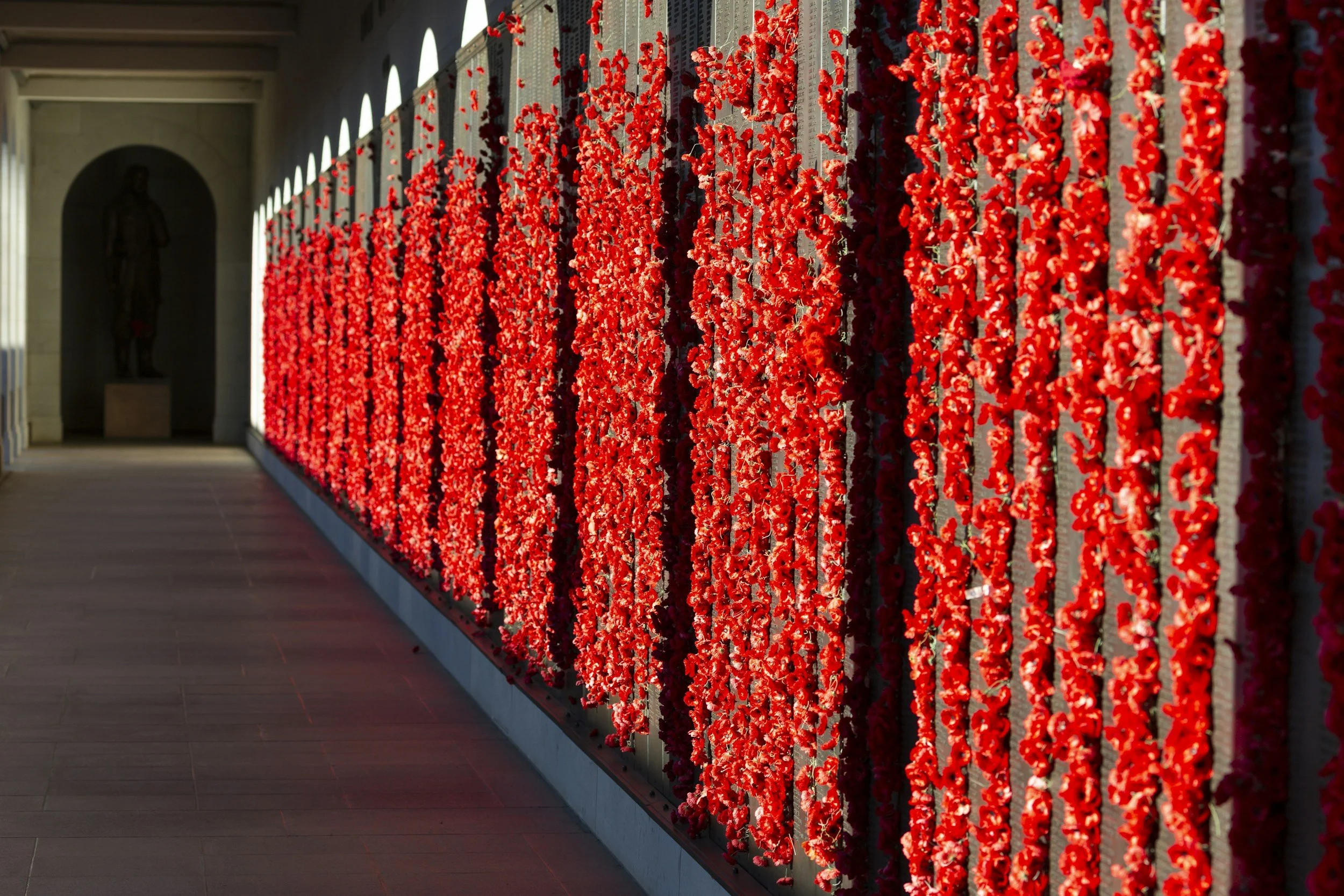
“Shared rituals help us carry what feels too heavy to hold alone.”
That Particular Kind of Quiet
There’s a moment at an ANZAC dawn service when everything… stops. It’s not “library quiet,” or an “awkward lift silence.” It feels like something older and heavier. We notice breath in the cold air, boots on gravel or a bird, out of place in its cheerfulness. While we might be standing next to strangers, for a moment, it doesn’t quite feel like it. It’s as if everyone is holding something similar. The moment isn’t identical for everyone, but there is something shared.
We often think of healing as a solo activity, something that happens in therapy rooms, journals, or long walks where we finally cry because no one’s watching. While those spaces matter, days like ANZAC Day can challenge that idea. They remind us that some experiences, and some wounds, are shared, and sometimes, healing is too.
What Is Collective Trauma?
Trauma is what happens when something overwhelms our ability to cope. Our nervous system gets stuck on high alert, like a smoke alarm that keeps going long after the toast is out of the toaster, but not all trauma stays contained within one person. Collective trauma happens when:
a community experiences something distressing together, or
the effects of trauma ripple across generations
This includes:
war and its aftermath
bushfires and floods
community tragedies
and the ongoing impacts of colonisation for Aboriginal and Torres Strait Islander peoples
For other communities (e.g. First Nations) trauma is not just historical, it is ongoing, systemic, and deeply intertwined with cultural identity and resilience. No community is defined by trauma alone, but by strength, survival, and connection.
Why Do We Keep Showing Up to Things Like ANZAC Day?
On the surface, it’s tradition, but psychologically, something more interesting is happening.
We Borrow Calm From Each Other
We are wired for connection, especially in the face of threat. Our nervous systems constantly read the environment for safety, and we can use other people as part of that environment. When we’re around someone who feels calm and grounded, our body can begin to settle too. This is called co-regulation.
The caveat is that co-regulation only works when the environment feels safe enough. For some of us, a crowd at dawn may feel regulating, for others, it may feel overwhelming, activating, or unsafe.
Ritual Gives Shape to Something That Feels Shapeless
Trauma often disrupts our sense of order, while ritual can help to rebuild it. ANZAC services follow a predictable rhythm:
The gathering
The Last Post
The silence
The conclusion
This structure matters more than it seems, as it can send a message to our nervous system that this moment has a beginning, middle and will have an end.
The Weight Doesn’t Disappear, But It’s Not Just ours
Anyone who has carried grief, knows it is heavy, but shared spaces can change how that weight is held. It’s not erased or fixed, instead we distribute it. There’s something powerful about:
being seen without speaking
standing next to someone who gets it without explanation
Even if you never exchange a word.
What Collective Healing Can Looks Like
Healing is never a breakthrough moment or a cinematic release. It’s often more subtle and quiet.
Public Rituals
You might notice:
unexpected calm
sudden emotion (“why am I crying?”)
a subtle sense of connection
This is a signal our nervous system is doing its job.
Private Rituals Count Too
Not everyone wants a crowd, in this case healing can look like:
lighting a candle
visiting a meaningful place
cooking someone’s favourite meal
telling stories (even the messy, contradictory ones)
Think of ritual as a container for feelings that otherwise spill everywhere.
Community After Crisis
After disasters, people gather, you might notice they:
talk (or don’t)
sit together
laugh at inappropriate times
bring food (always food)
This is how we process shared experience.
Nothing is Helpful to Everyone
For some people, ANZAC Day is not grounding, instead it’s a day that is activating. You might notice:
increased anxiety
irritability
intrusive memories
a strong urge to leave
Our nervous system is trying to be protective. We are allowed to:
leave early
stand at the edge
not attend
create your own ritual instead
There is no “correct” way to engage.
Practical Ways to Support Yourself
Find a “regulated enough” person
Why it helps: Our nervous systems settle in the presence of people who feel steady and non-judging. You don’t need deep conversation, just being alongside someone can help your body feel safer.
Example: Sitting with a friend who doesn’t rush you, fix things, or escalate emotions. You might talk, or you might just sit quietly together.
Try this: Think of one person who feels calm enough. Spend some time with them and simply notice what shifts in your body, your breath, your shoulders, your pace.
Participate in (or create) a simple ritual
Why it helps: Rituals give structure to big feelings. They create a beginning, middle, and end, which can make emotions feel more contained.
Example: Attending a remembrance event, or lighting a candle at home and pausing for reflection.
Try this: Choose a meaningful date or moment. Spend 5 minutes in quiet reflection, notice your breath, your surroundings, and let the moment be simple.
Use your body as an anchor
Why it helps: When things feel overwhelming, the body often settles faster than thoughts. Grounding through the senses can bring you back to the present.
Example: Standing in a group and noticing your feet on the ground, or gently slowing your breathing.
Try this: When things feel intense, try one small action like wiggling your toes inside your shoes or naming 3 things you can see. Keep it simple and repeatable.
Make meaning through storytelling
Why it helps: Putting experiences into words helps organise them. It can turn something confusing or overwhelming into something more understandable.
Example: Sharing memories with a friend or family member about a difficult time.
Try this: Write or say a short version of your experience. Focus not just on what happened, but what it meant to you.
Pace yourself (balance exposure with safety)
Why it helps: Too much, too quickly can overwhelm your system. Having choice and control helps you stay within a “manageable” range.
Example: Attending part of a ceremony instead of the whole event, or choosing a quieter way to participate.
Try this: Before attending something, ask: “What would be enough for me today?” Give yourself permission to leave early, stand near an exit, or take breaks.
Plan for safety and flexibility
Why it helps: Knowing you can leave or adjust your plan increases your sense of control, which supports a feeling of safety.
Example: Driving yourself to an event, or choosing a spot where you can step out easily.
Try this: Before you arrive, make a simple plan, including how you’ll get there and back, where you can take space if needed and what your “exit point” might be
Notice early signs of overwhelm
Why it helps: Catching overwhelm early is much easier than trying to recover once you’re flooded.
Example: You might notice feeling spaced out, irritable, or physically tense.
Try this: Check in with yourself during an event. If you notice shifts like shallow breathing, tension, or disconnection, step away early and give your body time to settle.
What the Research Actually Says
Modern trauma research is consistent on several points:
Social connection is protective. Loneliness and social isolation are among the most robust predictors of poor psychological outcomes following adversity.
Meaning-making supports adaptation. People who are able to find or construct meaning in difficult experiences are shown to cope better long term.
Shared experiences can reduce isolation. Even brief experiences of felt connection appear to buffer against the worst effects of collective adversity.
This does not mean rituals can guarantee healing, but hey can support nervous system regulation, felt connection, and the construction of meaning, but they do not treat PTSD, complex trauma, complicated grief, or major depression.
Finding Your Own Way to Remember
You don’t have to feel moved, connected, proud. Instead, you may experience a sensation of being numb, overwhelmed or disconnected
Sometimes, there is something powerful in standing together, and sometimes, the most helpful thing is standing up for your needs and doing it quieter and alone.
